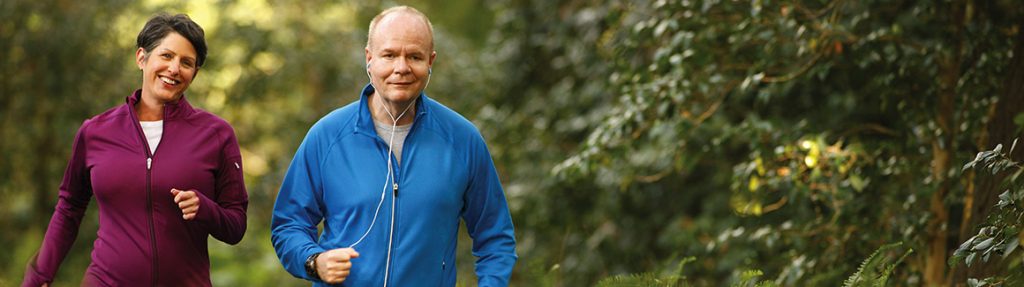
Below are some examples of the types of exercise that a person may perform. This is by no means an exhaustive list – any form of exercise can bring benefits.
Gardening
Gardening is a physical activity that provides an opportunity to get outdoors and is enjoyed by many people. The activity level can be varied to suit someone’s abilities. It could be something that requires less exertion like weeding or pruning, or more strenuous activity like raking or mowing grass. These activities may help strengthen the body’s muscles and improve breathing. Gardening can be an enjoyable activity for people at all stages of dementia.
Indoor bowling
Some people may retain their bowling skills or continue to participate in other ball games, and so may enjoy indoor carpet bowling. Some local leisure centers offer indoor bowling sessions, or sets can be purchased from toy or sports stores.
Dance
Dancing can range from tea dances and couple or group sessions to more improvised movement involving ribbons, balloons, or balls. Dancing can also be done in a seated position. This is a very social activity and an enjoyable way to participate in the exercise. It can increase strength and flexibility, help with staying steady and agile, and reduce stress.
Seated exercises
People with dementia can benefit from a regular program of seated exercise sessions at home or with a group at a local class. It is often a good idea to see these exercises demonstrated at least once by an instructor or on a video. These exercises are aimed at building or maintaining muscle strength and balance and are less strenuous than exercises in a standing position. They can be part of a developing program, with the number of repetitions of each exercise increasing over time. Some examples of seated exercises include:
- marching
- turning the upper body from side to side
- raising the heels and toes
- raising the arms towards the ceiling
- raising the opposite arm and leg
- bending the legs
- clapping under the legs
- bicycling the legs
- making circles with the arms
- practicing moving from sitting to standing.
Swimming
Swimming, under supervision, is a good activity for people with dementia. Many people find the sensation of being in the water soothing and calming. Some studies have also shown that swimming may improve balance and reduce the risk of falls in older people.
Tai chi/qigong
Tai chi and qigong are gentle forms of Chinese martial arts that combine simple physical movements and meditation, with the aim of improving balance and health. The movements concentrate on a series of integrated exercises. These forms of exercise focus on balance and stability, which are important in staying agile and may reduce the risk of falls.
Walking
Walking suits all abilities. It is free, does not need specialist equipment, and can be done anywhere. The distance and time spent walking can be varied to suit fitness levels. Some local leisure centers and other organizations arrange group walks, supported by a walk leader, of various lengths, so it can also be a social activity,